
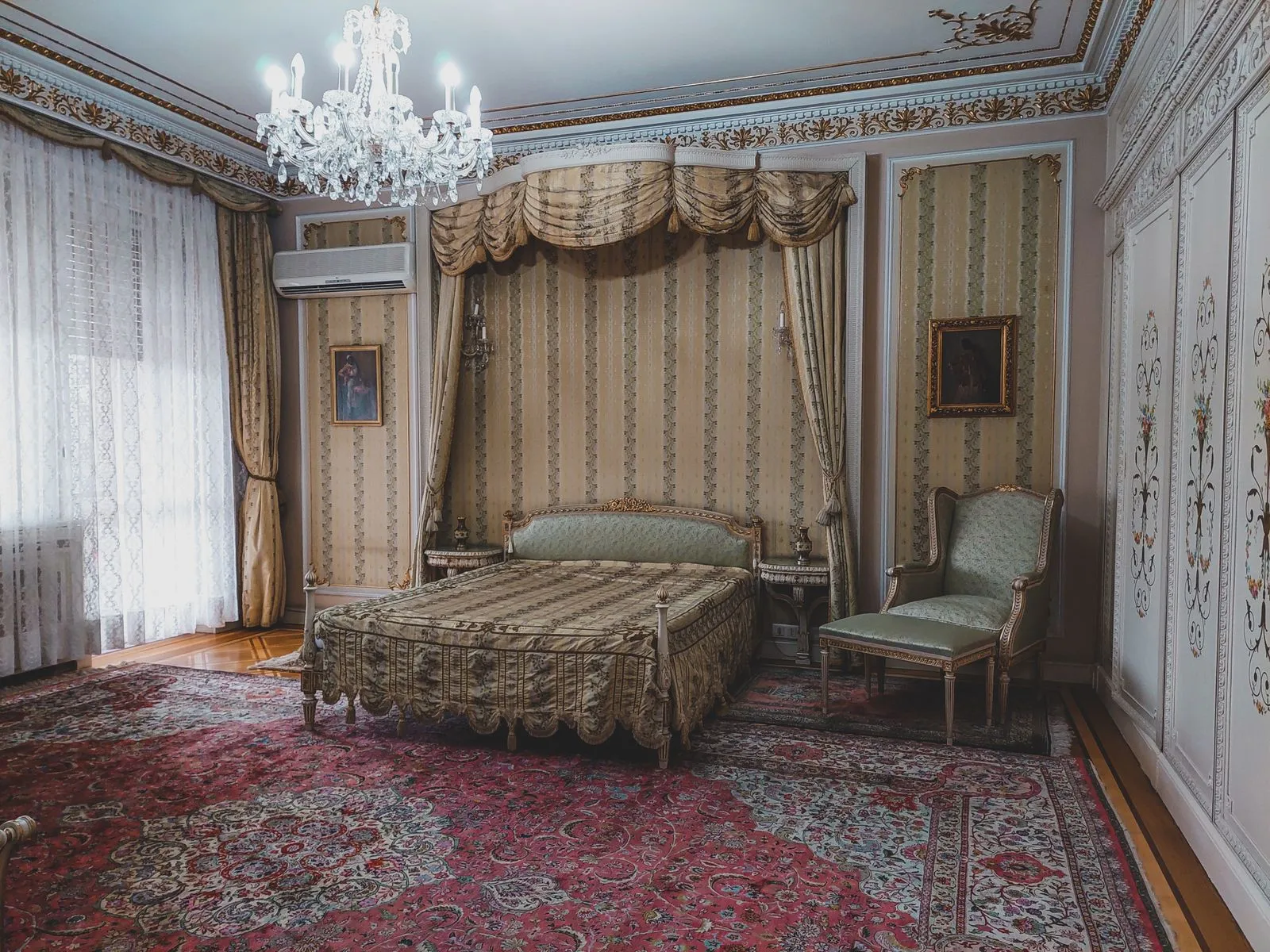
A historic home can feel comfortable in one room and drafty or stuffy in another. That imbalance may reflect the building’s age, changes made over time, or a heating and cooling system that was not designed for the current layout. Insulation gaps and air leaks matter, but they are only part of the picture. Understanding the likely causes can help you decide what to check first—and when it makes sense to seek a professional assessment.
Insulation and Air Leaks
Many older homes have little insulation in walls, floors, or roof spaces. Some areas may have been insulated during renovations while others were left unchanged, so rooms can gain or lose heat at different rates. Rooms above unconditioned spaces, beneath a roof, or along an exterior wall may be especially affected.
Air can also enter through gaps around windows, doors, floorboards, chimneys, and utility openings. On a windy day, notice where drafts are strongest and whether they change when interior doors are open or closed. Weatherstripping and careful air sealing may help, but avoid blocking vents or making changes that could trap moisture in an older structure.
Windows, Sun, and Room Use
Room exposure influences comfort. Sunlight can warm a south- or west-facing room, while shaded rooms may stay cooler. Tall ceilings, large windows, and rooms with several exterior walls can also change how quickly a space heats or cools. Heavy curtains may reduce drafts near windows, but they will not correct a larger airflow or insulation problem.
Daily habits can add to the difference. Cooking, electronics, occupancy, and closed doors all affect room temperature. Compare readings at similar times and with the system running normally. A simple thermometer placed away from sunlight, vents, and exterior walls can help distinguish a persistent pattern from a short-lived change.
System Layout and Airflow
Historic homes may have additions, enclosed porches, relocated rooms, or altered ductwork. A system sized or arranged for an earlier floor plan may not distribute air evenly through the current one. Long duct runs, leaks, undersized returns, blocked registers, or poorly balanced airflow can leave distant rooms uncomfortable while nearby rooms receive too much conditioned air.
Check that supply registers and return grilles are open and unobstructed, and replace the air filter according to the equipment maker’s guidance. Do not assume that closing vents in comfortable rooms will solve the imbalance; it can disrupt airflow and strain some systems. If the pattern persists, a technician can examine the equipment, duct paths, airflow, and room-by-room conditions together.
When to Request an Assessment
Seek an assessment when temperature differences continue despite clear registers and a clean filter, or when one room is consistently difficult to heat or cool. Also arrange a professional visit if you notice weak airflow, unusual system cycling, musty odors, visible moisture, or drafts that you cannot trace. These signs can point to issues that a thermostat adjustment will not resolve.
A useful assessment should consider the home’s layout, insulation, air leakage, existing equipment, and how air moves between rooms. Share which rooms feel uncomfortable, when the problem occurs, and any recent renovations. Athens Heritage HVAC works with historic homes in Athens, Georgia; an informed evaluation can help identify practical improvements that respect the building’s needs.
Uneven temperatures often come from several factors working together: heat loss, drafts, sun exposure, and a system that no longer matches the home’s layout. Start by noting where and when discomfort occurs, then check for simple airflow obstructions. If the imbalance persists, contact a qualified historic-home HVAC specialist to discuss an assessment.